


PES Hollow Fiber Membrane: A Cutting-Edge Membrane Separation Technology from Material to Application
In contemporary biopharmaceutical and food industries, hollow fiber membranes are a key technology. Among numerous hollow fiber membrane materials, PES (polyethersulfone) hollow fiber membranes stand out due to their superior performance. This article will take you closer to this "invisible cutting-edge technology," exploring its materials, processes, and wide range of applications.
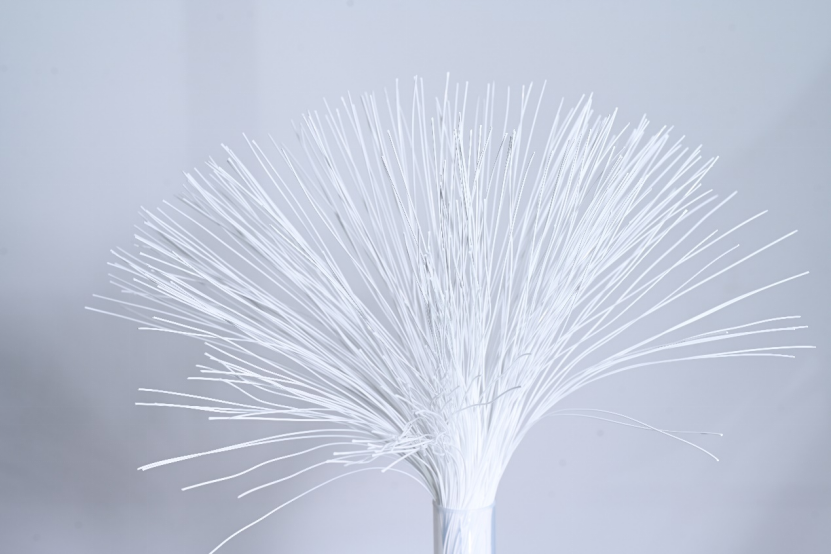
I. What is PES?
The Secret of a "High-Performance Plastic" PES, short for polyethersulfone, is a high-performance engineering plastic belonging to the aromatic polymer family. It combines thermal stability, mechanical strength, and excellent chemical stability, making it ideal for use in complex environments.**Features of PES:**
High temperature resistance: Can be used for extended periods at around 180°C; can be sterilized at high temperatures.
Oxidation resistance: Not easily degraded even in strongly oxidizing environments.
Good hydrophilicity: Absorbs water more easily than traditional PVDF membranes, facilitating filtration.
Strong biocompatibility: Suitable for medical, pharmaceutical, and other biological fields.
II. Manufacturing Process: From "Polymer" to "Capillary-like" Membrane Fibers
The core of PES hollow fiber membrane manufacturing lies in phase inversion, a common membrane preparation process. Its basic flow is as follows:
Medical & Biopharmaceutical
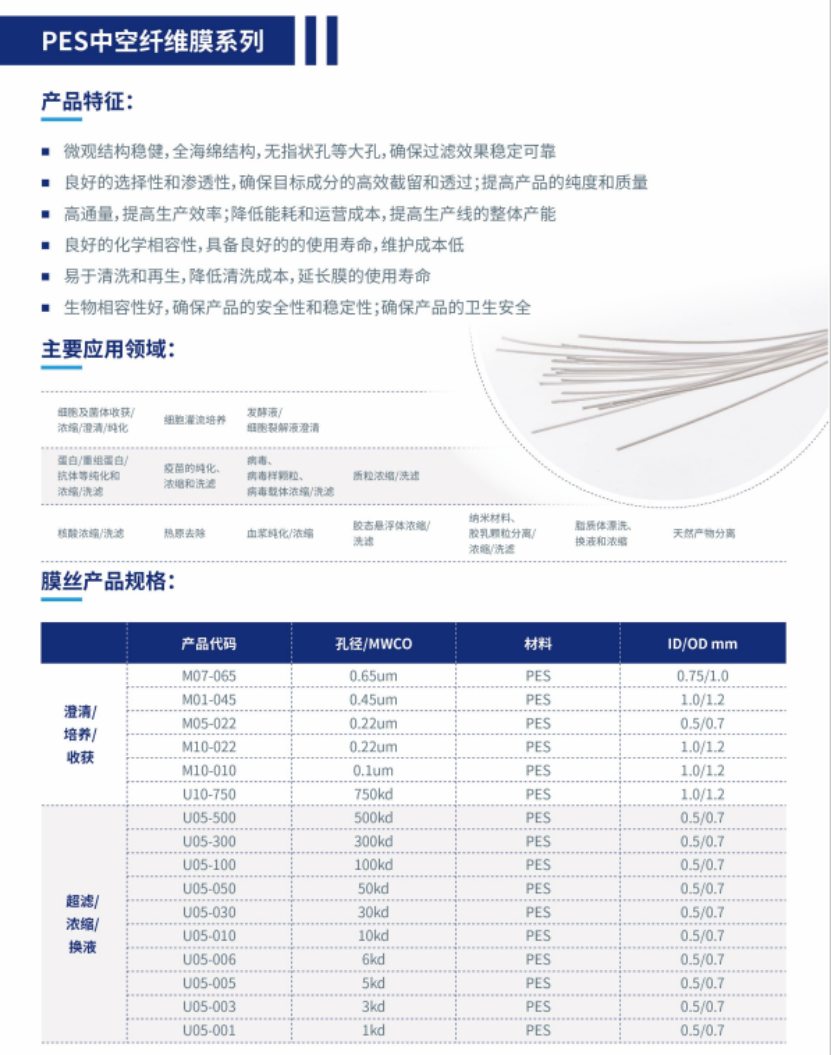
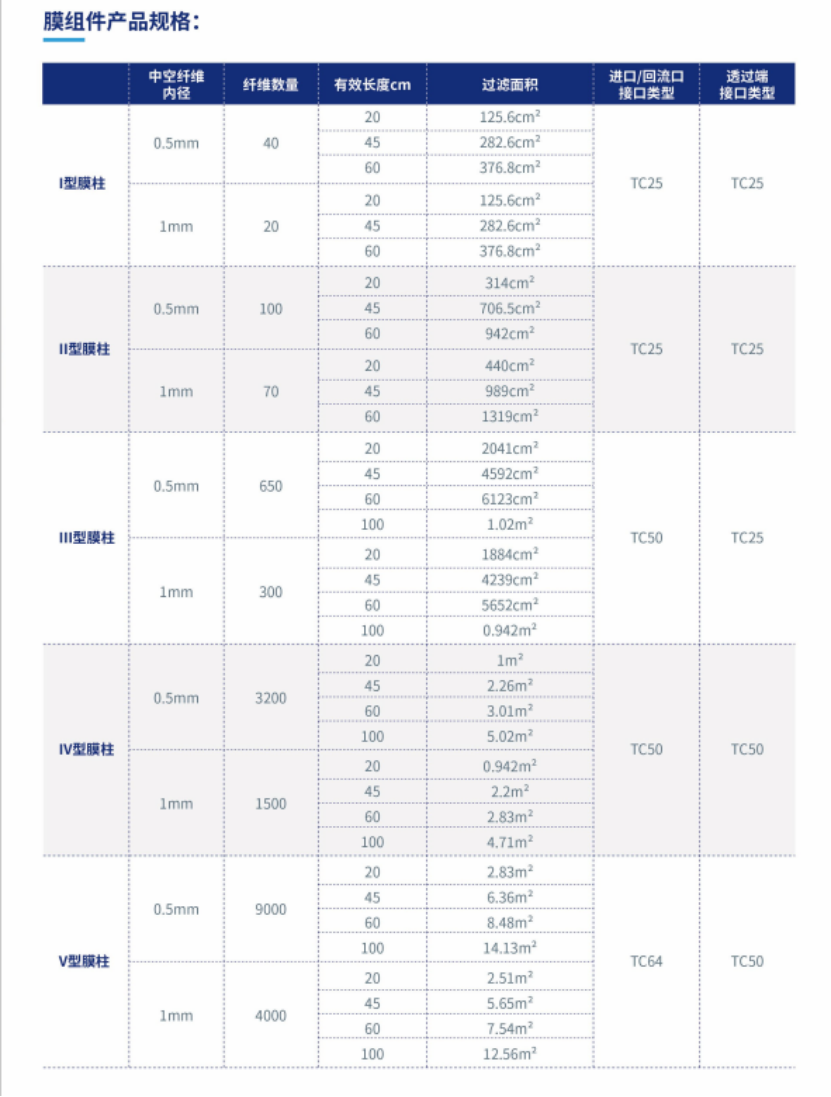
From Cell Cultivation to Downstream Membrane Processing
Biopharmaceutical workflows often involve distinct upstream cultivation and downstream separation stages. During early-stage process development, suspension cells may be grown in laboratory-scale cell culture shake flasks under orbital agitation. Working volume, mixing characteristics, and gas-exchange requirements are important considerations when selecting appropriate culture vessels.
Following cultivation, selected biopharmaceutical processes may require clarification, concentration, or buffer exchange. PES hollow fiber membranes can be considered for these downstream operations where their filtration characteristics and chemical compatibility meet the specific process requirements. Upstream culture vessels and downstream membrane systems should be evaluated independently according to their intended applications.


